
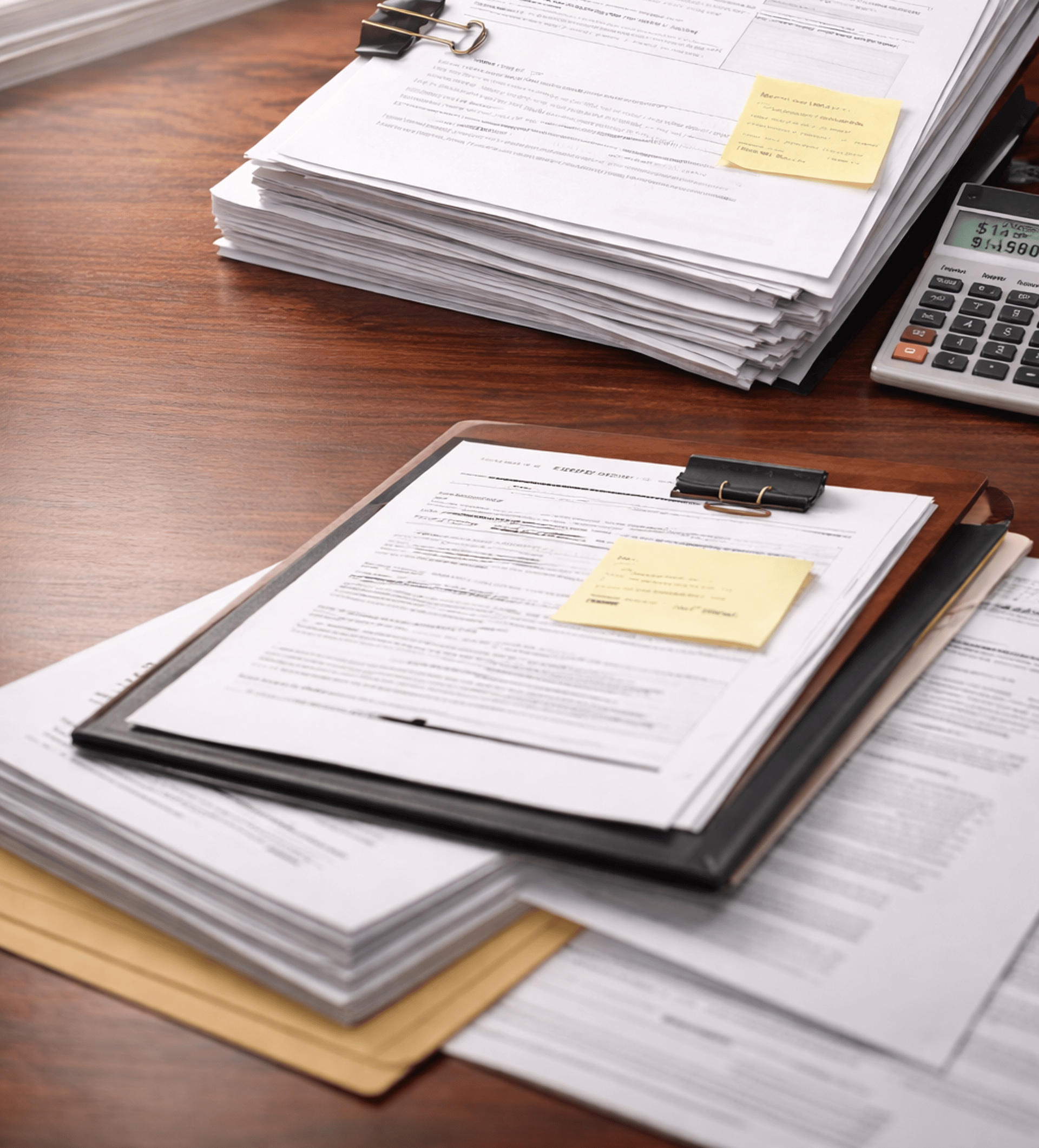
Why Pre-Suit Demands Are Delayed
Rated 5 stars
Pre-Suit Demand Letter Drafting for Personal Injury Law Firms
TRUSTED BY PERSONAL INJURY FIRMS FOR STRUCTURED, VALUATION-DRIVEN DEMAND ARCHITECTURE
Based in Fort Lauderdale, we serve personal injury law firms throughout Florida and across the United States.
ClaimWrit demand letter production and delivery built for faster resolution
Structured Medical Chronologies
We distill complex medical records into organized, carrier-focused narratives that support valuation and reduce adjuster pushback.
Carrier-Ready Demand Architecture
Every demand package is formatted and structured for clarity, authority and persuasive impact.
24–48 Hour Turnaround
Accelerate case velocity without expanding payroll or increasing internal workload.
Cost Effective
Save on payroll costs and maximize your ROI with our flat fee, predictable pricing.
Flat fee per demand
No payroll expansion
No hiring or training
Structured, repeatable system
Carrier ready formatting
Delivered within 24 to 48 hours
Asset Affidavits included at no charge.
Treatment takes time. Preparing the demand should not take longer than necessary.
Medical records can overwhelm case teams, and in-house drafting can delay the delivery of organized, valuation-driven, carrier-ready demands once a case is ready for presentation.
The result is often a slower start to negotiations and a weaker early settlement posture.
HIPAA Compliant, Secure Workflow
ClaimWrit is a HIPAA-ready legal support partner providing outsourced personal injury demand letters, structured medical chronologies and concise medical record summaries to support pre-suit case valuation.
Gap Identification
We review medical records and billing to identify missing treatment, diagnostics and documentation gaps that can weaken a personal injury claim, helping your firm strengthen damages support before a demand package goes out.
White-Label
ClaimWrit delivers white-label, fact-driven, valuation-focused pre-suit demand packages for personal injury law firms, formatted for carrier review and aligned with your firm’s voice and standards.
Building carrier-ready, damages-supported demand packages in-house can slow intake, valuation, and negotiation.
ClaimWrit converts complex medical records into clear, carrier-focused narratives and delivers polished, ready-to-send demand packages that align with your firm’s voice and standards.
Structured demand architecture designed to strengthen negotiation leverage and accelerate case resolution.
Stop Drowning in Records. Send Stronger Demands, Faster.
★★★★★
Carrier-Ready Demand Packages Delivered in 24–48 Hours
Demand Letter Cost Structure
Florida personal injury firms trust ClaimWrit to convert complex medical records into carrier-ready demand packages that strengthen settlement position and accelerate case resolution.
10,000 + demand packages delivered. 24 to 48 hour turnaround. Flat fee pricing. No payroll expansion.
Trusted by Personal Injury Firms
“ClaimWrit has written all of our clients’ demand letters since 2020, and their work has consistently strengthened our settlement position. Their ability to distill complex medical records into clear, compelling narratives is unmatched. They’ve truly become a trusted extension of our team.”
J. Erick Santana, PA.
Cecere Santana Law Offices


“ClaimWrit has been our exclusive demand‑letter partner since 2023. Their demands are consistently strategic, polished, and ready to send. Their reliability and consistency have made them an indispensable part of our practice.”


Ian Seitel Esq., P.A.
Seitel Law Office
★★★★★
★★★★★
★★★★★
“We’ve partnered with ClaimWrit since mid‑2025, and the experience has been exceptional. They take dense medical records and turn them into narratives that are not only clear and persuasive, but perfectly aligned with how we communicate as a firm. Since bringing them on, we’ve seen smoother negotiations and noticeably fewer adjuster objections.”


Alexis Campos, Esq.
Campos law firm
Attorneys we work with say:
Insights for Personal Injury Firms
Demand strategy, medical chronology structure, and pre-suit positioning
Outsourcing Personal Injury Demand Letters: What Law Firms Should Expect
What law firms should look for when outsourcing pre-suite demand letter drafting.
What Adjusters Look for in a Carrier-Ready Demand Package
Understanding key elements that adjusters expect in settlement ready demand letters.
Building a Medical Chronology that Supports Valuation
How to organize and synthesize medical records into compelling, valuation-focused chronologies.
Read Article >

© 2026 ClaimWrit. All Rights Reserved.
Fort Lauderdale, FL 33334